Understanding Cannabis Flower Selection Basics
Walking into a dispensary for the first time can feel like entering a botanical wonderland—rows of glass jars filled with colorful, aromatic buds, each promising a different experience. Whether you’re a medical patient seeking relief or a recreational consumer exploring your options, knowing how to evaluate cannabis flower empowers you to make confident, informed decisions.
Choosing the right cannabis flower isn’t just about grabbing the jar with the highest THC percentage or the coolest strain name. It’s about understanding what you’re looking at, what you’re looking for, and how different characteristics work together to create your experience. At Rocky Mountain dispensaries, our knowledgeable staff can guide you through this process, but having a foundation of knowledge makes every visit more productive and enjoyable.
Visual Quality Indicators: What Your Eyes Should Tell You
Before you smell anything or ask about cannabinoid content, your eyes provide the first assessment of flower quality. High-quality cannabis flower has several distinct visual characteristics that separate exceptional products from subpar ones.
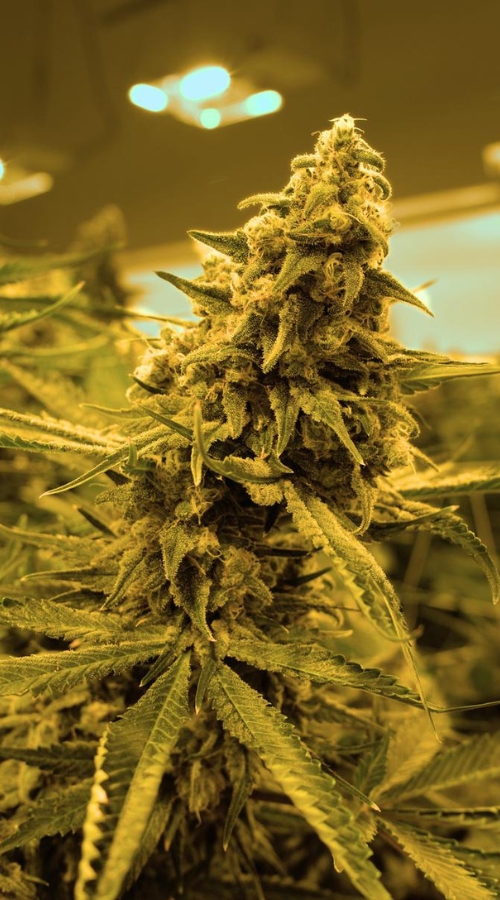
Look for buds with vibrant coloration—deep greens often accented with purple, orange, or pink hues depending on the strain. The presence of trichomes is crucial; these tiny, crystal-like structures should coat the flower surface, giving it a frosty or sugary appearance. Trichomes contain the cannabinoids and terpenes that create your experience, so abundant trichome coverage typically indicates potent, well-cultivated flower.
Bud structure matters too. Quality flower should have a dense but not compressed structure, with visible definition between calyxes. The trim job should be clean—minimal stems and leaves, with the natural bud shape preserved. Avoid flower that appears brown, shows signs of mold or mildew, or has an excessive number of seeds, as these indicate poor cultivation or storage practices.
The Trichome Test
Those glistening crystals covering quality buds aren’t just for show. Trichomes are resin glands where cannabis plants store cannabinoids like THC and CBD, along with aromatic terpenes. Under magnification, mature trichomes appear mushroom-shaped with milky or amber coloring. While you won’t always have a microscope handy at the dispensary, visible trichome density serves as an excellent quality indicator that you can assess with the naked eye.
The Nose Knows: Evaluating Aroma and Freshness
After visual inspection, your nose becomes your most valuable tool. Fresh, properly cured cannabis flower should have a strong, distinct aroma that ranges from fruity and sweet to earthy and pungent, depending on its terpene profile. The scent should be clean and inviting—never musty, moldy, or reminiscent of hay or grass clippings, which indicate improper curing or age-related degradation.
When dispensary staff offer you a smell (which many do upon request), take a moment to really experience the aroma. Different scent profiles hint at different terpenes and potential effects. Citrusy, lemony scents often indicate limonene, associated with mood elevation and energy. Earthy, musky aromas suggest myrcene, which tends toward relaxation. Floral, lavender-like notes point to linalool, known for calming properties. Pine scents indicate pinene, which may enhance focus and alertness.
The intensity of the aroma also matters. Weak or barely perceptible scents often indicate old flower or products that have lost potency due to improper storage. Premium flower should announce itself before you even open the container.
Understanding Moisture Content and Texture
Proper moisture content sits in a sweet spot—not too dry, not too moist. When you handle quality flower (with permission and clean hands, of course), it should have some give without feeling wet or sticky. Buds should compress slightly when squeezed, then spring back to shape rather than crumbling to dust.
Overly dry flower breaks apart too easily, burns too quickly, and delivers a harsh smoking or vaping experience. Worse, it indicates cannabinoid and terpene degradation. Conversely, flower that feels damp or spongy may harbor mold or mildew, presenting health risks. The ideal consistency feels slightly springy with a subtle tackiness from resin content.
Many dispensaries maintain proper humidity levels in their storage areas, but if you’re purchasing larger quantities, consider how you’ll store your cannabis at home to preserve that ideal moisture balance.
Decoding Cannabinoid Profiles: Beyond THC Percentages
Here’s where many consumers get tripped up: assuming higher THC automatically means better cannabis. While THC percentage indicates psychoactive potency, it doesn’t tell the whole story about quality or experience. A 15% THC flower with an exceptional terpene profile and balanced cannabinoid content often delivers a more enjoyable, nuanced experience than a 28% THC product with little else going for it.
THC and CBD: The Primary Players
THC (tetrahydrocannabinol) provides the intoxicating effects cannabis is known for, along with benefits like pain relief, appetite stimulation, and mood elevation. CBD (cannabidiol) offers therapeutic benefits—reduced anxiety, anti-inflammatory properties, and potential seizure control—without intoxication. The ratio between these two cannabinoids significantly impacts your experience.
If you’re new to cannabis or have low tolerance, start with flower containing 10-15% THC or products with balanced THC:CBD ratios (like 1:1 formulations). These provide therapeutic benefits with manageable psychoactive effects. Experienced consumers seeking stronger effects might choose 20-25% THC flower, though remember that individual body chemistry varies dramatically—what feels mild to one person might overwhelm another.
Minor Cannabinoids: The Supporting Cast
Beyond THC and CBD, minor cannabinoids contribute to the overall effect. CBG (cannabigerol) may promote focus and gut health. CBN (cannabinol), formed as THC ages, is associated with sedative effects and sleep support. THCV (tetrahydrocannabivarin) might provide appetite control and mental clarity. While present in smaller percentages, these compounds participate in what scientists call the entourage effect—the synergistic interaction of all cannabis compounds working together.
Quality dispensaries provide lab testing results showing detailed cannabinoid profiles. Take time to review these certificates of analysis, which reveal the complete chemical makeup of your flower beyond simple THC percentages.
The Terpene Factor: Nature’s Effect Modifiers
If cannabinoids are the engine driving your cannabis experience, terpenes are the steering wheel directing where it goes. These aromatic compounds don’t just create scent and flavor—they actively modulate effects through interaction with cannabinoids. Understanding terpenes transforms cannabis selection from guesswork into precision.
Over 200 terpenes exist in cannabis, but a handful dominate most strains. Myrcene, the most common, promotes relaxation and is often found in indica-leaning varieties. Limonene delivers citrus aroma and uplifting, mood-boosting effects. Caryophyllene, with its peppery spice, offers anti-inflammatory benefits. Pinene enhances alertness and may counteract short-term memory issues associated with THC. Linalool, reminiscent of lavender, provides calming, anti-anxiety effects.
When selecting flower, ask your budtender about dominant terpenes or check lab reports for terpene profiles. A strain rich in limonene and pinene might be perfect for daytime productivity, while one high in myrcene and linalool could be your evening relaxation companion. This information proves far more useful than outdated indica/sativa classifications when predicting your actual experience.
Rethinking Indica, Sativa, and Hybrid Classifications
You’ve probably heard that indica strains relax you, sativas energize you, and hybrids split the difference. This simplified framework has dominated cannabis culture for decades, but modern research reveals it’s largely misleading. These terms originally described plant structure and growing characteristics, not effects on consumers.
A 2022 study examining thousands of strains found no identifiable characteristics consistent with indica, sativa, or hybrid labels in predicting effects. The chemical profile—cannabinoid ratios and terpene content—determines your experience, not whether the plant was short and bushy or tall and narrow.
That said, these terms haven’t completely lost utility. Many cultivators breed strains with traditional indica or sativa characteristics in mind, so the labels can serve as rough starting points. But rather than asking “Is this indica or sativa?”, ask about the cannabinoid ratio and terpene profile. This approach gives you actionable information based on chemistry, not botanical folklore.
Matching Flower to Your Desired Effects
With foundational knowledge in place, you can now match flower characteristics to your specific needs and preferences. This personalized approach replaces one-size-fits-all recommendations with targeted selection.
For Relaxation and Sleep Support
Look for flower high in myrcene, linalool, or CBN—terpenes and cannabinoids associated with sedation and muscle relaxation. Strains with balanced THC:CBD ratios (1:1 or similar) often provide deep relaxation without overwhelming psychoactivity. If sleep is your primary goal, consider flower with moderate THC (12-18%) combined with sedative terpenes rather than ultra-high THC products that might actually interfere with rest. You might also explore options for cannabis edibles for longer-lasting effects through the night.
For Energy and Creativity
Seek out limonene and pinene-rich strains, which tend toward uplifting, focusing effects. Moderate THC levels (10-20%) often work better for productive activities than heavy-hitting varieties. Some consumers find that THCV-containing strains provide clear-headed energy without appetite stimulation, making them ideal for active daytime use.
For Pain and Inflammation
Higher THC percentages (18-25%) combined with CBD and caryophyllene offer powerful pain relief. The anti-inflammatory properties of CBD and certain terpenes complement THC’s pain-masking effects. Balanced CBD:THC ratios work well for those needing relief during work hours when strong intoxication isn’t practical.
For Anxiety and Stress Management
This requires careful selection, as high THC can actually increase anxiety in sensitive individuals. Look for balanced THC:CBD flower or CBD-dominant varieties (Type III chemotypes with under 3% THC). Linalool and limonene support mood regulation without paranoia risks. Start low and increase gradually—finding your personal threshold prevents uncomfortable experiences.
Smart Shopping: Questions to Ask Your Budtender
Armed with knowledge, you can have more productive conversations with dispensary staff. Here are questions that demonstrate informed consumerism and elicit useful responses:
- “What’s the dominant terpene in this strain, and what effects does it typically produce?”
- “Can I see the lab testing certificate to check the full cannabinoid and terpene profile?”
- “When was this batch harvested and packaged? How do you store it?”
- “Do you have any flower with balanced THC:CBD ratios for daytime use?”
- “What’s your personal experience with this strain—how did it make you feel?”
- “For someone with low tolerance, which of your current offerings would you recommend?”
Quality budtenders appreciate customers who ask thoughtful questions. Don’t hesitate to request to see and smell flower before purchasing, as most dispensaries accommodate these reasonable requests. At Rocky Mountain locations, our staff undergo extensive training to provide accurate, helpful information tailored to individual needs.
Consumption Method Considerations
How you plan to consume your flower should influence selection. Different methods extract cannabinoids and terpenes with varying efficiency and create distinct experiences.
For smoking (joints, pipes, bongs), flower with robust terpene profiles delivers the most flavorful experience. Moisture content matters significantly—properly cured flower burns evenly and smoothly. For vaporizing, slightly drier flower often works better, and lower temperature vaping preserves delicate terpene flavors that combustion destroys. Those interested in making edibles should understand decarboxylation and may prioritize affordability over bag appeal since appearance won’t matter in the final product.
Price and Value: Finding Your Sweet Spot
Cannabis flower pricing varies dramatically based on cultivation methods, brand reputation, testing results, and market positioning. The most expensive option isn’t always the best for your needs, and budget-friendly choices aren’t necessarily inferior.
Top-shelf flower typically costs more due to meticulous cultivation, extensive testing, hand-trimming, and careful curing. These products often deliver exceptional terpene profiles and consistent experiences. Mid-tier options usually offer solid quality at accessible prices—perfect for regular consumers who don’t need the premium treatment. Budget flower can work well for making edibles or for experienced consumers less affected by subtle quality differences.
Consider cost per gram versus total package price. Sometimes larger quantities offer better value, but only if you’ll consume it before freshness declines. Many dispensaries run regular promotions and loyalty programs—ask about current deals when visiting Rocky Mountain locations to maximize value.
Storage and Preservation After Purchase
Even premium flower degrades without proper storage. Keep your cannabis in airtight containers away from light, heat, and extreme humidity. Mason jars work excellently, as do purpose-made cannabis storage containers. Ideal storage temperature sits around 60-70°F with 55-62% relative humidity.
Avoid plastic bags for long-term storage—they generate static that pulls trichomes off buds and don’t protect against air exposure. Never store cannabis in the refrigerator or freezer, as temperature fluctuations and moisture create mold risks and degrade quality. Properly stored flower maintains potency and terpene content for several months, though consuming within 4-6 weeks ensures optimal freshness.
Experimentation and Personal Discovery
Even with all this knowledge, cannabis remains highly personal. What works wonderfully for one person might not suit another due to individual endocannabinoid system variations, body chemistry, tolerance levels, and personal preferences. The most effective approach combines education with mindful experimentation.
Start with small amounts of new strains. Keep informal notes about what you try—strain name, cannabinoid/terpene profile, effects experienced, and whether you’d purchase again. This personal reference becomes invaluable for identifying patterns and refining your preferences over time.
Don’t be afraid to try something outside your usual choices. That budget strain with an unusual terpene profile might surprise you. The high-CBD flower you’ve overlooked could become your daytime staple. Cannabis offers remarkable diversity—exploration reveals unexpected favorites.
Additional Considerations for Specific Consumer Groups
Different consumer categories have unique considerations when selecting flower. Medical patients should discuss cannabis use with healthcare providers and may need to prioritize consistent, reliable products from tested batches. Those with qualifying medical conditions often benefit from detailed lab reports and consistent strain access.
First-time cannabis users should start with lower potency options regardless of consumption method. Consider flower with 10-12% THC or balanced THC:CBD ratios. Have a trusted, experienced friend present for your first time, and clear your schedule—don’t plan activities requiring alertness or coordination.
Experienced consumers might explore exotic strains, hunt for rare terpene profiles, or seek ultra-premium cultivations. You’ve developed personal benchmarks for quality and can better predict how different profiles will affect you. This expertise makes shopping more efficient and enjoyable.
Frequently Asked Questions
What should I look for when choosing cannabis flower at a dispensary?
When choosing cannabis flower, examine the bud structure, color, and trichome coverage. Look for vibrant colors, a fresh aroma, and proper moisture content. Check the strain type (indica, sativa, or hybrid), THC/CBD percentages, and terpene profile to match your desired effects. Ask to see lab testing results and don’t hesitate to smell the flower before purchasing—quality dispensaries accommodate these reasonable requests.
How do I know if cannabis flower is high quality?
High-quality cannabis flower should have dense, well-trimmed bu