Understanding the Balance Between Price and Quality in Cannabis Shopping
Finding exceptional cannabis deals doesn’t mean you have to compromise on quality, potency, or safety. The cannabis market has matured significantly, and savvy consumers now have access to legitimate discounts on premium products—if they know where to look and what to avoid. The key is understanding the difference between genuine value and deals designed to move inferior inventory off dispensary shelves.
Many cannabis enthusiasts assume that lower prices automatically indicate lower quality, but that’s not always the case. Dispensaries offer discounts for numerous legitimate reasons: building customer loyalty, celebrating special events, moving seasonal inventory, or competing in saturated markets. The challenge lies in distinguishing between these authentic opportunities and deals that sacrifice product integrity for profit margins.
Red Flags That Signal Low-Quality Discount Cannabis
Before diving into strategies for finding great deals, you need to recognize the warning signs of subpar cannabis being marketed as a bargain. Visual inspection is your first line of defense. Quality flower should appear vibrant and well-maintained, with visible trichomes that sparkle under light. If discount cannabis looks dry, crumbly, or exhibits brown and yellow discoloration, it’s likely old stock that’s been sitting too long or wasn’t stored properly.
Aroma is equally telling. Fresh, quality cannabis produces distinctive terpene profiles—from citrusy and piney to earthy and sweet. If discount flower has little to no smell, or worse, smells like hay or mildew, pass on the deal regardless of the price. Terpenes degrade over time, and their absence indicates the product has lost both flavor and therapeutic value.
Pay attention to structural integrity as well. Excessive stems and seeds indicate poor cultivation or processing practices. While a few small stems are normal, if you’re picking through your purchase to find usable flower, you’re not getting a deal—you’re overpaying for plant matter. Similarly, an abundance of seeds suggests the plants were stressed during growth or accidentally pollinated, both of which reduce cannabinoid production and overall quality.
The Importance of Lab Testing and Package Dates
One of the most reliable indicators of product quality is recent lab testing and packaging dates. Reputable dispensaries provide clear access to test results showing cannabinoid profiles, terpene content, and contaminant screening. When evaluating deals, check that products were packaged within the last two to three months. Cannabis doesn’t expire like milk, but THC begins converting to CBN over time, reducing potency and altering effects.
If a deal features products with testing dates from six months ago or older, ask questions. While some properly stored cannabis maintains quality for extended periods, significant discounts on aged products often indicate the dispensary is clearing inventory that hasn’t sold. This isn’t necessarily problematic for edibles or concentrates with longer shelf lives, but flower loses quality relatively quickly, especially if not stored in ideal conditions.
Strategic Shopping: Timing Your Cannabis Purchases
Smart cannabis consumers know that timing dramatically impacts available deals and discounts. Dispensaries operate on promotional calendars similar to other retail businesses, with predictable patterns you can leverage. Holiday promotions around 4/20, Memorial Day, Independence Day, Labor Day, and the winter holiday season consistently offer some of the year’s best deals without quality compromises.
Beyond major holidays, many dispensaries run weekly specials tied to specific days. “Wax Wednesday” or “Shatterday” promotions on concentrates, “Sunday Funday” deals on edibles, and end-of-month clearance events provide regular opportunities to save. By shopping strategically around these recurring promotions, you can stock up on quality products at reduced prices throughout the year.
New product launches also present excellent opportunities. When dispensaries introduce new brands or product lines, they often discount existing inventory to make shelf space. These transitions typically involve quality products that simply need to move quickly, not inferior goods. Additionally, when cultivators release new harvests, the previous batch may go on sale despite being perfectly fresh and potent.
Maximizing Dispensary Loyalty and Rewards Programs
Loyalty programs represent one of the most reliable ways to access consistent discounts on quality cannabis without red flags. Reputable dispensaries invest in customer retention through points-based systems, tiered rewards, and member-exclusive promotions. Unlike clearance sales or mysterious discounts, loyalty programs offer genuine value on the full product range, including premium offerings.
When evaluating loyalty programs, look for those offering points on all purchases, not just promotional items. The best programs provide 1-5% back on every transaction, birthday bonuses, and increased earning rates as you reach higher membership tiers. Some dispensaries also offer double-points days, early access to new products for loyalty members, and special pricing on select items that rotates weekly.
First-time customer deals similarly provide legitimate discounts without quality concerns. Dispensaries use these promotions as loss leaders to introduce new customers to their product selection and service quality. Common offers include 15-25% off your first purchase, free pre-rolls or edibles with minimum orders, or buy-one-get-one promotions on specific categories. These deals apply to the dispensary’s full inventory, allowing you to try premium products at reduced cost.
The Power of Bulk Buying and Bundle Deals
Purchasing larger quantities or bundled products delivers significant per-unit savings while maintaining quality standards. Many dispensaries offer tiered bulk discounts: buy an eighth at regular price, but purchase a half-ounce or ounce and save 15-30% overall. These deals work for dispensaries by reducing per-transaction costs and inventory management, savings they pass to customers willing to buy more.
Bundle deals similarly reduce costs by packaging complementary products together. A bundle might include flower, pre-rolls, and a vape cartridge at a combined price lower than purchasing each separately. Dispensaries create these packages to introduce customers to different product types and brands, making them win-win scenarios. You discover new products while paying less, and the dispensary moves diverse inventory.
When considering bulk purchases, ensure you’ll actually consume the quantity before quality degradation occurs. Even properly stored flower loses potency over extended periods. If you’re buying an ounce at a discount but only consume a gram per week, the last portion will be months old by the time you use it. Calculate your consumption rate and storage capabilities before committing to bulk deals, regardless of the savings.
Mix-and-Match Promotions for Variety and Value
Mix-and-match deals offer exceptional value for consumers who enjoy variety. These promotions allow you to select multiple items from designated categories—perhaps choosing seven eighths from a selection of twenty strains, or five vape cartridges from ten available options—at a bundled discount. This approach lets you sample different products while accessing bulk pricing, ideal for finding new favorites without overpaying.
Quality dispensaries carefully curate mix-and-match selections to include genuinely desirable products across various price points and brands. If a deal restricts you to unknown house brands or products you’ve never heard of, that’s a red flag. Legitimate mix-and-match promotions showcase the dispensary’s confidence in their entire product line, not just items they’re struggling to sell.
Research and Comparison Shopping
Not all dispensaries price products equally, even within the same market. Supply chains, overhead costs, purchasing power, and business models create significant price variations for identical products. A particular strain might sell for $45 per eighth at one dispensary and $35 at another down the street, with no quality difference. Comparison shopping—both online and through dispensary menus—ensures you’re not overpaying out of convenience.
Start by identifying dispensaries within reasonable proximity to your location or that offer delivery services. Most maintain online menus with current pricing and inventory. Bookmark three to five options and check them regularly, noting typical prices for products you purchase frequently. This baseline knowledge helps you recognize genuine deals when they appear and avoid “sales” that simply bring inflated prices down to market average.
Product reviews and community forums provide valuable insights into which dispensaries consistently offer quality products at fair prices. While individual experiences vary, patterns emerge quickly. If multiple reviewers mention a dispensary’s flower always seems dry or their concentrates lack flavor, that’s useful information regardless of advertised deals. Conversely, consistently positive feedback about freshness and potency indicates a source worth prioritizing for your cannabis purchases.
Leveraging Digital Tools and Notifications
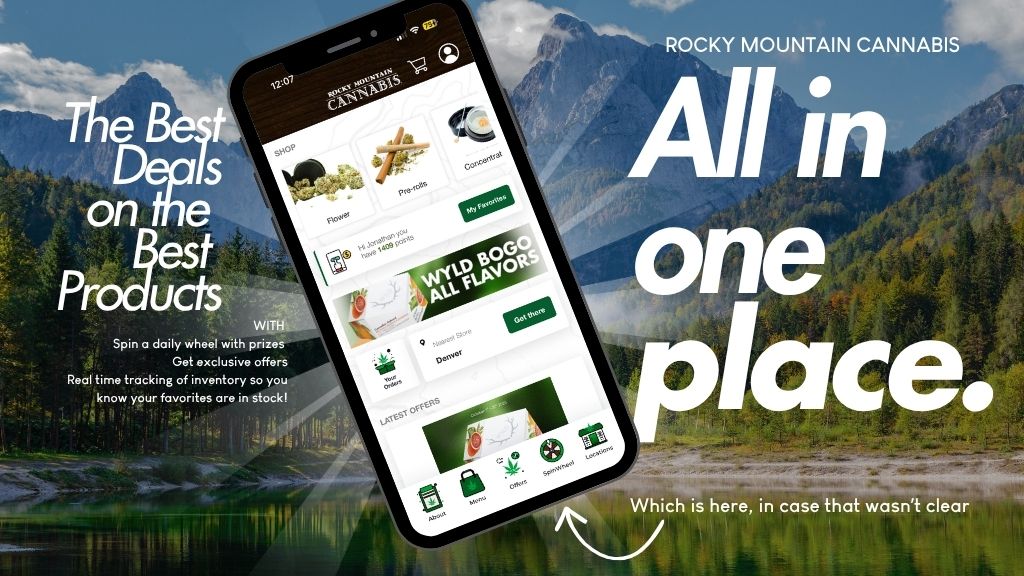
Modern cannabis shopping offers technological advantages previous generations couldn’t access. Dispensary apps, email newsletters, and text alert systems provide advance notice of flash sales, new product drops, and exclusive promotions. By subscribing to communications from your preferred dispensaries, you gain early access to limited-quantity deals before they sell out or expire.
Many dispensaries reserve their best promotions for subscribers, offering exclusive discounts not advertised publicly. These might include private sales events, additional percentage discounts stacked on existing promotions, or early access to high-demand products. The few seconds required to subscribe pays dividends throughout the year as you capture deals other customers miss entirely.
Social media represents another valuable channel for deal notifications. Dispensaries frequently announce flash sales, same-day specials, and surprise promotions through Instagram stories, Facebook posts, and Twitter updates. Following your favorite dispensaries keeps you informed about unexpected opportunities while providing insights into new products and industry trends. Some dispensaries even host social-media-exclusive contests and giveaways, providing chances to win free products.
Understanding House Brands and Private Labels
House brands and private-label products occupy a unique position in cannabis retail. Some represent genuine value—quality products produced specifically for a dispensary at lower costs due to simplified branding and marketing. Others serve as vehicles for moving low-grade inventory under proprietary names. Learning to distinguish between these scenarios protects you from paying for inferior products disguised as deals.
Legitimate house brands feature transparent sourcing, clear strain genetics, complete lab testing, and consistent quality across batches. The dispensary stakes its reputation on these products, pricing them lower than name brands because they eliminate middleman costs, not because quality suffers. If you can tour the cultivation facility, review detailed growing practices, or find consistent positive reviews, house brands often provide exceptional value.
Warning signs include vague strain names like “Indica Blend” or “Sativa Mix” instead of specific genetics, missing or outdated lab results, suspiciously low prices compared to tested market averages, and inconsistent quality between purchases. If a house brand checks these boxes, the “deal” likely isn’t worth pursuing. You’re better off paying slightly more for a known quantity than gambling on questionable products regardless of the discount.
The Role of Product Type in Deal Evaluation
Different cannabis product categories have different shelf lives and quality degradation patterns, which affects how you should evaluate deals. Flower is most susceptible to quality loss from improper storage and age. Concentrates like wax, shatter, and live resin maintain potency longer but can lose terpene profiles over time. Edibles typically have longer shelf lives, though they eventually lose potency. Vape cartridges can last months if stored properly but may develop flavor changes or hardware issues.
This reality means deals on edibles and concentrates often represent safer bets than deeply discounted flower, especially if harvest and packaging dates aren’t recent. A 40% discount on gummies that were produced two months ago likely indicates a genuine clearance before new inventory arrives. The same discount on flower with a six-month-old harvest date raises quality concerns that may outweigh the savings.
Consider your consumption timeline as well. If you’re purchasing products you’ll use within days or weeks, age matters less than if you’re stocking up for months. Quick-use purchases allow you to capitalize on aggressive discounts with less quality risk, while long-term storage requires fresher starting products to maintain quality throughout your consumption period.
Building Relationships With Budtenders and Staff
Budtenders and dispensary staff possess invaluable insider knowledge about product quality, upcoming deals, and which promotions offer genuine value versus which aim to clear problematic inventory. Building friendly relationships with staff at your regular dispensaries provides access to this information, often resulting in personalized recommendations that maximize your budget while ensuring quality.
Don’t hesitate to ask direct questions: “Is this strain on sale because you’re getting new inventory, or because it’s not selling well?” “What deals would you personally take advantage of?” “Are there any upcoming promotions I should wait for?” Good budtenders appreciate engaged customers and often share information that helps you make informed decisions. They may also alert you when products you’ve enjoyed previously go on sale or when fresh harvests arrive.
Regular customers who develop rapport with dispensary teams sometimes receive early access to deals, additional discounts beyond advertised promotions, or opportunities to try new products before public release. While you shouldn’t expect special treatment, being respectful, knowledgeable, and loyal to specific dispensaries often results in staff going the extra mile to ensure you get the best value possible.
Frequently Asked Questions
What are the warning signs of low-quality cannabis being sold at discount prices?
Low-quality cannabis often appears dry and crumbly, has little to no aroma, shows brown or yellow discoloration, and may contain excess stems or seeds. If a deal seems too good to be true—like premium strains at half price with no explanation—it’s likely old stock, improperly stored product, or mislabeled flower. Always check lab testing dates and THC degradation indicators.
Are dispensary loyalty programs and first-time customer deals worth it for quality cannabis?
Yes, reputable dispensary loyalty programs and new customer promotions typically offer genuine discounts on quality products without compromising standards. These deals are marketing strategies to build customer relationships, not opportunities to offload inferior inventory. Look for programs that offer points on all purchases, birthday discounts, and tiered rewards that include premium product categories.
How can I tell if a cannabis sale is legitimate or just a way to move old inventory?
Legitimate sales are often tied to specific events (holidays, anniversaries, new product launches) and include multiple product tiers and brands. Check harvest and packaging dates—quality deals feature products packaged within the last 2-3 months. Red flags include unnamed “house brands,” vague strain names, missing lab results, and deals exclusively on a single product line that’s not selling well.