What to Look for When Buying Pre-Rolls from a Dispensary
Walking into a dispensary for the first time can feel overwhelming, especially when you’re faced with rows of pre-rolls in various sizes, strains, and price points. Whether you’re new to cannabis or simply prefer the convenience of ready-to-smoke joints, knowing what distinguishes a quality pre-roll from a subpar one can transform your experience from disappointing to delightful.
Pre-rolls offer an accessible entry point into cannabis consumption without requiring grinding equipment, rolling skills, or the patience to perfect your technique. But not all pre-rolls are created equal. This comprehensive guide will walk you through the essential factors to consider when selecting pre-rolls, helping you make informed decisions that align with your preferences and ensure you’re getting the best value for your money.
Understanding What’s Inside Your Pre-Roll
The most critical aspect of any pre-roll is what’s actually inside the paper. Quality pre-rolls should be made from whole cannabis flower—the actual buds you’d find in jars at your dispensary. Unfortunately, some manufacturers use “shake” (loose cannabis bits that fall off buds during handling) or “trim” (leaves and stems trimmed from plants during harvest).
While shake isn’t necessarily bad if it comes from quality flower, trim often delivers a harsher smoke with less potency and flavor. When examining pre-rolls at your local dispensary, don’t hesitate to ask budtenders whether the product contains whole flower, shake, or a combination. Reputable brands will proudly advertise when they use premium whole flower exclusively.
Look through the packaging if possible—quality cannabis should show visible trichomes (those frosty, crystal-like structures that contain cannabinoids and terpenes). The flower should appear consistent in color and texture, not a random mixture of different-looking material.
Decoding the Label Information
A properly labeled pre-roll provides transparency about what you’re consuming. At minimum, your pre-roll packaging should clearly display the strain name, THC and CBD percentages, and the weight of cannabis inside. Most pre-rolls contain between 0.5 to 1.5 grams, with mini pre-rolls (sometimes called “pinners”) containing less for those who prefer smaller doses.
Harvest and package dates are equally important. Cannabis flower begins losing potency and flavor after about six months, so fresher is always better. Batch numbers allow you to track specific products if you find something you love or want to report an issue.
Quality pre-rolls will also indicate whether the strain is indica, sativa, or hybrid, giving you insight into the expected effects. Testing lab information should be present as well, confirming the product passed safety screenings for pesticides, heavy metals, mold, and other contaminants. If a pre-roll lacks this basic information, consider it a red flag.
Understanding Potency Numbers
THC percentages can be misleading if you don’t understand what they represent. A pre-roll advertising 30% THC might sound appealing, but potency alone doesn’t guarantee quality. Terpene profiles—the aromatic compounds that influence effects and flavor—matter just as much as cannabinoid content.
For beginners, starting with lower THC percentages (10-15%) allows you to gauge your tolerance without overwhelming effects. Experienced consumers might prefer higher potencies or infused pre-rolls that incorporate concentrates like kief, hash, or cannabis oil for elevated experiences.
Examining Physical Quality Indicators
Before purchasing, inspect the pre-roll’s physical condition whenever possible. A well-constructed pre-roll should feel firm but not overly packed, with consistent density from tip to filter. Shake it gently—you shouldn’t hear rattling, which indicates gaps or loose packing that can cause uneven burning.
The paper itself matters more than you might think. Quality rolling papers are thin enough to taste the cannabis but thick enough to burn slowly and evenly. Some pre-rolls use hemp papers, which burn slower and add a subtle flavor that complements the cannabis. Avoid pre-rolls wrapped in flavored papers unless you specifically enjoy those tastes, as they can mask the natural terpene profiles.
Check the mouthpiece or filter (often called a “crutch”). It should be securely positioned and made from sturdy material that won’t collapse or get soggy during use. Some premium pre-rolls feature glass tips that provide a smoother smoking experience and can be reused.
Freshness and Aroma
If your dispensary offers pre-rolls in smell-proof containers with viewing windows, pay attention to the aroma. Fresh cannabis should smell pungent and appealing, with distinct notes depending on the strain—citrus, pine, earthy, sweet, or skunky. A hay-like or musty smell indicates old or improperly cured cannabis.
The cannabis shouldn’t appear overly dry or crumbly, which leads to harsh smoke and potential runs (uneven burning). Conversely, it shouldn’t feel damp or spongy, which can indicate improper curing or moisture issues that might harbor mold.
Strain Selection and Effects
Choosing the right strain is perhaps the most personal aspect of buying pre-rolls. Understanding basic strain categories helps narrow down options based on your desired effects. Indica-dominant strains traditionally offer more relaxing, body-focused effects ideal for evening use or unwinding after a long day.
Sativa-dominant strains typically provide more energizing, cerebral effects that many consumers prefer for daytime activities, creative projects, or social situations. Hybrid strains blend characteristics of both, offering balanced effects that sit somewhere in the middle.
However, remember that individual responses vary significantly, and the indica/sativa distinction is somewhat oversimplified. Modern cannabis science emphasizes terpene profiles and overall cannabinoid content as better predictors of effects. Don’t be afraid to ask budtenders for specific recommendations based on what you’re hoping to experience, whether that’s relaxation, focus, pain relief, or creative inspiration.
Pricing and Value Considerations
Pre-roll prices vary dramatically, from budget single joints at a few dollars to premium multi-packs that cost considerably more. While budget options serve a purpose, extremely cheap pre-rolls often cut corners on flower quality, using trim or old shake to maximize profit margins.
Mid-tier pre-rolls typically offer the best balance of quality and affordability for most consumers. These products usually contain decent flower, pass all safety tests, and provide consistent experiences without breaking the bank. Premium options justify higher prices through exceptional flower quality, organic growing practices, innovative infusions, or specialty strains that are difficult to cultivate.
Consider purchasing multi-packs if you’ve found a brand and strain you enjoy. Many dispensaries offer better per-unit pricing on packs of three, five, or more pre-rolls. Just ensure you’ll consume them within a reasonable timeframe to maintain freshness.
Special Pre-Roll Categories Worth Exploring
Once you’re comfortable with standard pre-rolls, consider branching out into specialty categories. Infused pre-rolls combine flower with concentrates, delivering significantly higher potency and often more complex flavor profiles. These work well for experienced consumers or those with higher tolerances.
Some dispensaries offer pre-rolls made from specific cultivation methods, such as organic, sun-grown, or indoor hydroponic cannabis. Each growing method imparts slightly different characteristics to the final product. Organic and sun-grown cannabis often features more complex terpene profiles, while indoor-grown flower typically offers higher THC percentages and more consistent appearances.
Mini pre-rolls provide perfect portion control for solo sessions or when you want to sample different strains without committing to full-gram joints. They’re also economical for occasional consumers who don’t smoke frequently enough to justify purchasing larger quantities.
Packaging and Storage Considerations
Quality packaging protects pre-rolls from light, air, and moisture—three factors that degrade cannabis quality. Look for pre-rolls packaged in opaque, airtight containers like glass or metal tubes. Some brands use child-resistant packaging that doubles as long-term storage, keeping your pre-rolls fresh until you’re ready to enjoy them.
Once you’ve purchased pre-rolls, proper storage extends their shelf life significantly. Keep them in their original packaging if it’s airtight, or transfer them to a glass jar or dedicated cannabis storage container. Store in a cool, dark place away from direct sunlight. Avoid refrigerators, as temperature fluctuations can introduce moisture and affect burning characteristics.
For maximum freshness, consume pre-rolls within three to six months of the package date. While older pre-rolls won’t harm you, they’ll deliver diminished flavor and potency as cannabinoids and terpenes degrade over time.
Red Flags to Avoid
Certain warning signs should make you reconsider a pre-roll purchase. Extremely low prices often indicate subpar flower quality or questionable sourcing. Missing or incomplete labeling suggests the product might not meet regulatory standards or that the brand lacks transparency.
Pre-rolls that appear unevenly packed, have visible gaps, or feel too loose will burn poorly and waste your cannabis. Similarly, avoid pre-rolls that feel rock-hard, as over-packing restricts airflow and makes drawing smoke difficult.
Be cautious of pre-rolls from brands with no online presence or verifiable information. Reputable cannabis companies maintain websites with detailed product information, lab results, and customer service contacts. If you can’t find any information about a brand, that’s a significant concern.
Building a Relationship with Your Dispensary
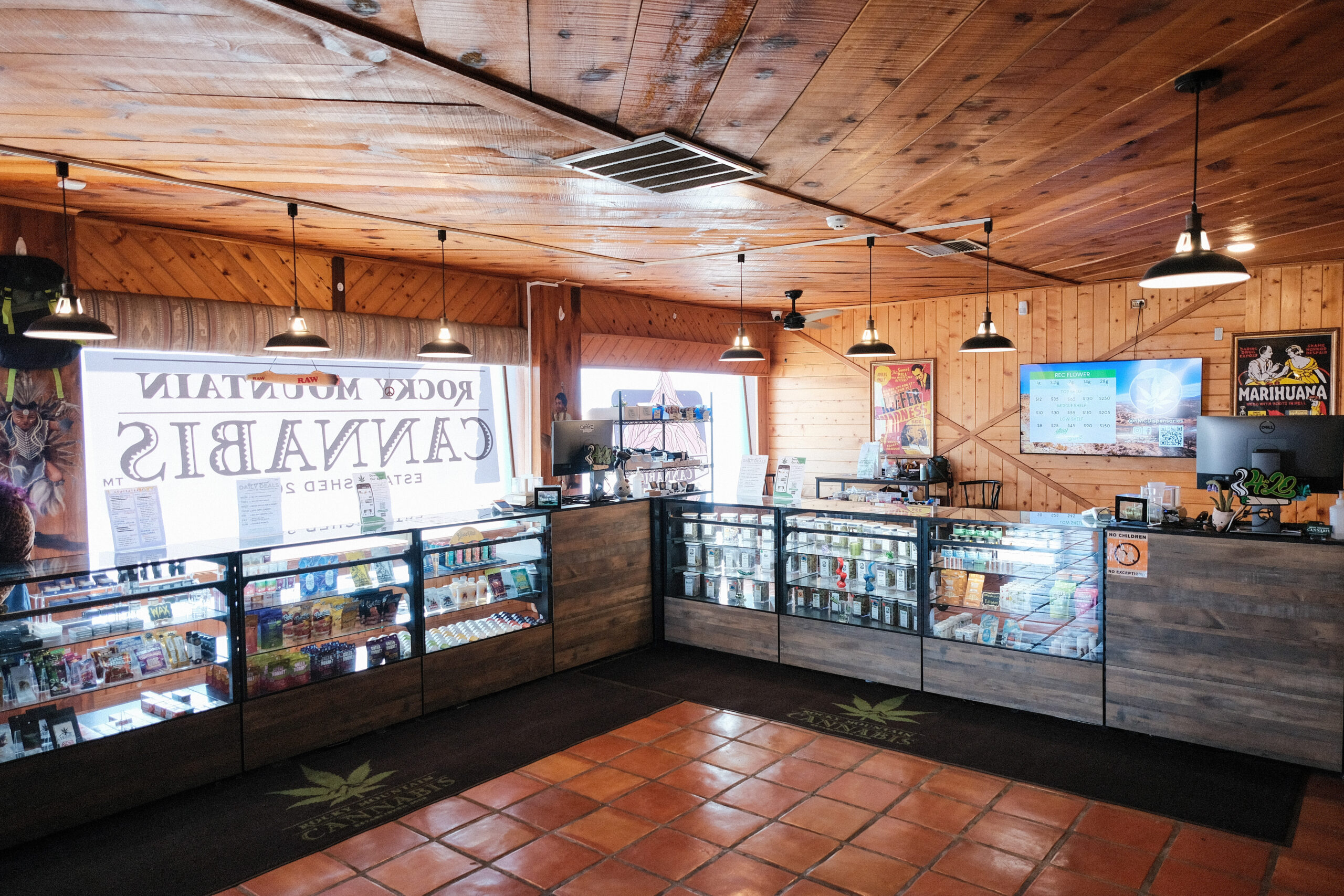
Finding a dispensary with knowledgeable, helpful staff makes the pre-roll selection process much easier, especially when you’re still learning your preferences. Don’t hesitate to ask questions about growing practices, strain effects, or product recommendations. Quality budtenders stay current on their inventory and can steer you toward products that match your needs.
Many dispensaries offer loyalty programs, first-time customer discounts, or regular promotions that make premium pre-rolls more affordable. Building a relationship with one or two preferred dispensaries helps you stay informed about new arrivals, special releases, or limited-edition strains that might interest you.
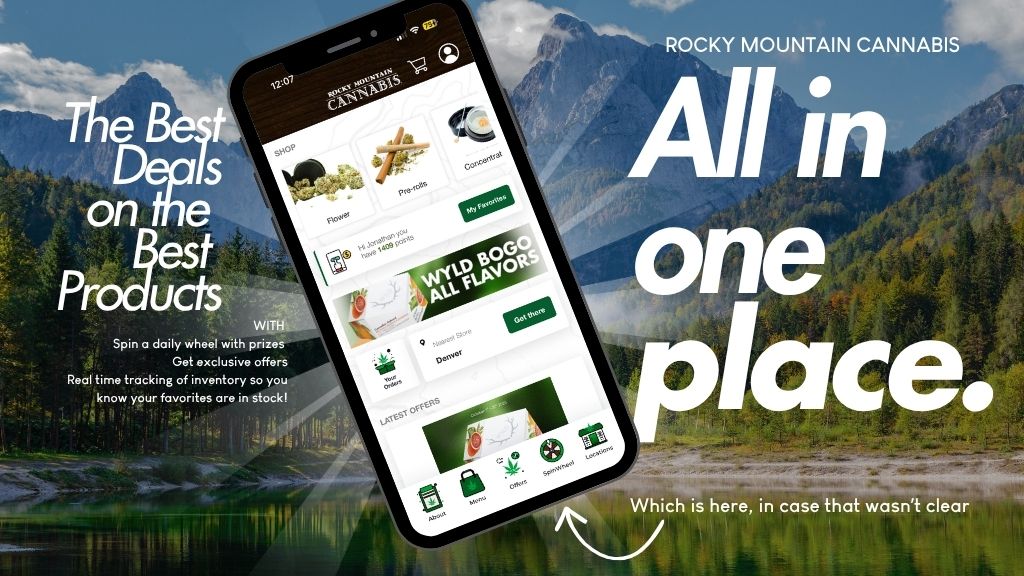
Take advantage of online menus when available. Many dispensaries publish their inventory with detailed product descriptions, allowing you to research options before visiting. Some even offer online ordering for in-store pickup, streamlining the purchase process.
Frequently Asked Questions
How can I tell if a pre-roll is made with quality flower?
Quality pre-rolls should have visible trichomes, a fresh aroma, and proper packaging with clear strain information. Check the harvest date to ensure freshness, look for evenly packed joints without gaps, and avoid pre-rolls that appear dry or crumbly. Reputable dispensaries will use whole flower rather than trim or shake.
What information should be on a pre-roll label?
A proper pre-roll label includes the strain name, THC and CBD percentages, harvest and package dates, batch number, and weight. It should also list any additives, indicate whether it’s indica, sativa, or hybrid, and include testing lab information showing it passed safety standards for pesticides and contaminants.
Are more expensive pre-rolls worth the extra cost?
Premium pre-rolls typically use higher-quality flower, better curing processes, and superior rolling techniques, which can significantly enhance your experience. While budget options exist, investing in mid-to-premium pre-rolls often means better flavor, smoother smoke, and more consistent effects. Consider your tolerance and preferences when deciding on price point.